Craft / May 28, 2026 / 1 min read
The Beads Were Something Else First
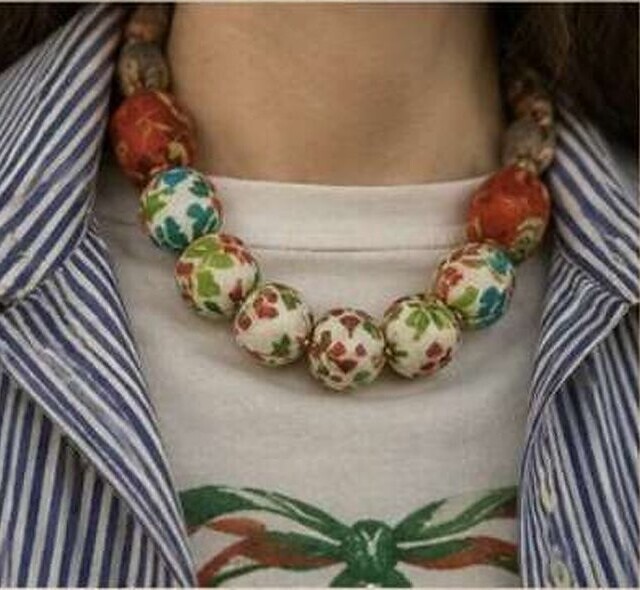
Every bead in a Raw Twig neck piece began life as a metre of cloth that somebody else finished with.
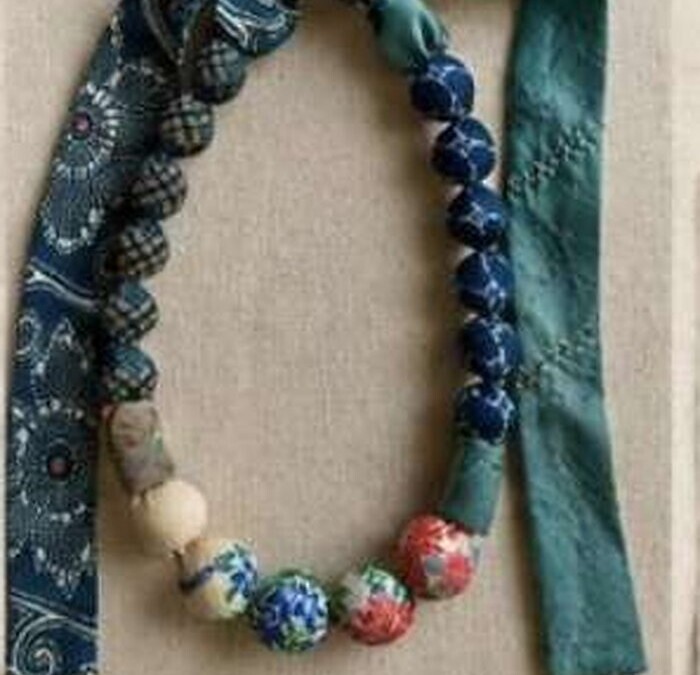
Textile jewellery sounds like a craft technique. In practice it is a sourcing problem first and a craft technique second.
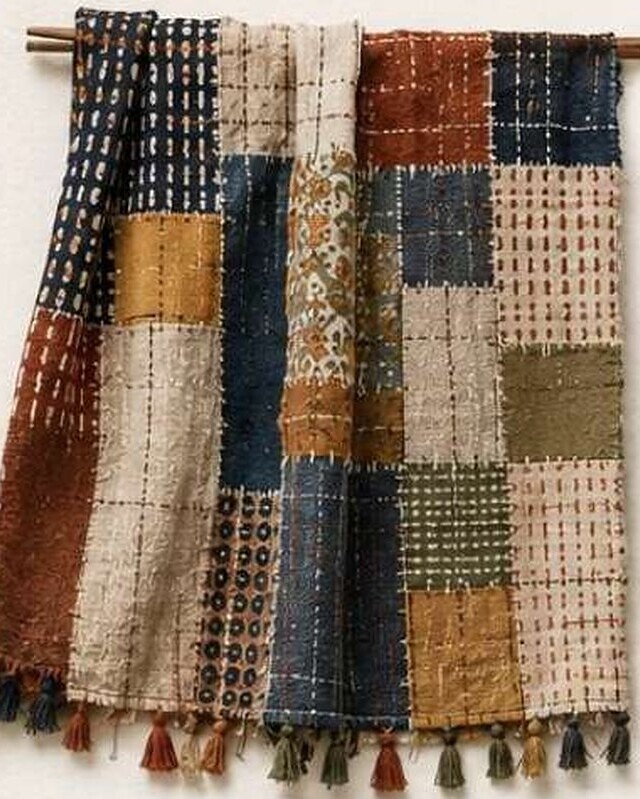
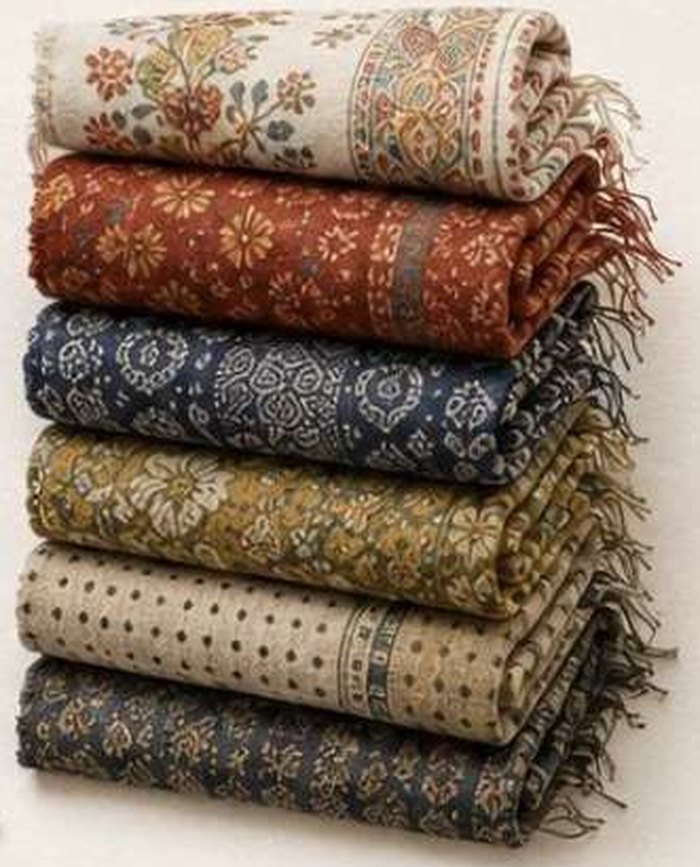
The floral cottons, bandhani ribbons and block-printed scraps that become our beads do not arrive on a roll. They come from end-of-run lots, sample lengths, old quilt tops and the offcut bins of block printers in Rajasthan and Gujarat — a metre here, four there, never repeatable.
“We buy in single metres and half-bolts. It is the least efficient way to source cloth and the only way to get this cloth.”
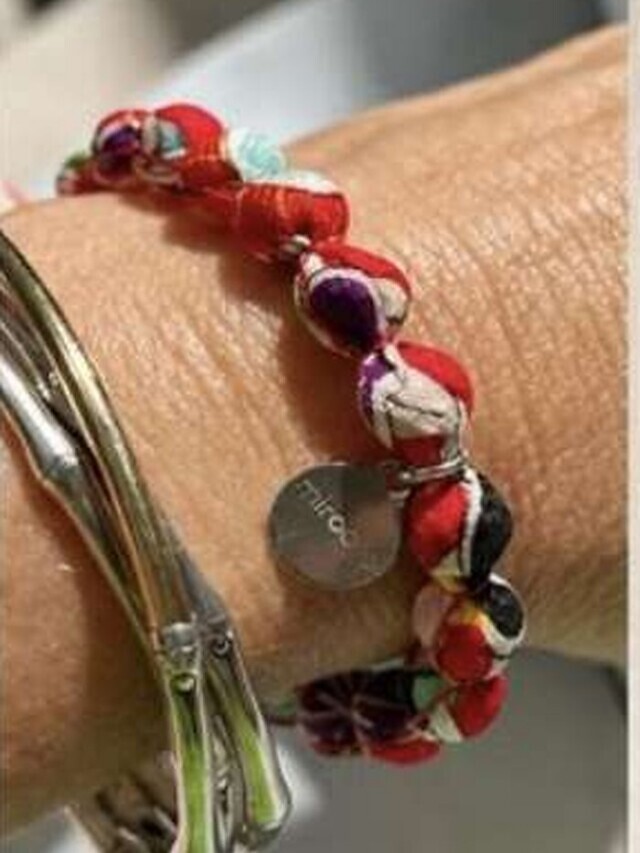
Each piece is cut into a strip, wrapped over a wooden core, tucked and stitched closed by hand. A single bead takes a few minutes. A layered strand takes most of an afternoon, and the maker is choosing colour relationships the whole way along, because no two source fabrics are the same.
This is why the badge on some pieces reads one of one and means it. We can make more Kantha Bead Neck Pieces. We cannot make that one again.
It is also why the collection reads as collected rather than designed. The palette holds together — terracotta, olive, indigo, sand — because the sorting happens at the table, by eye, before anything is strung.
Written in the studio, Ahmedabad